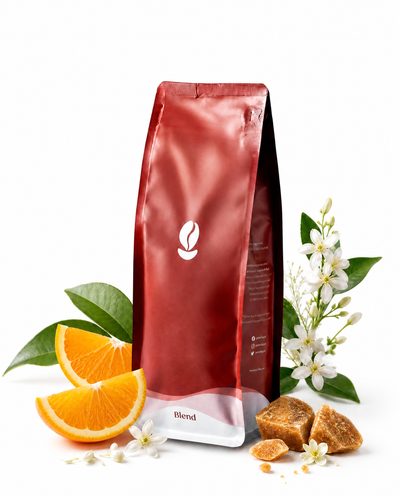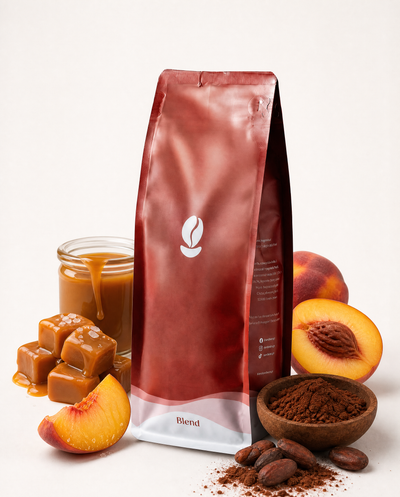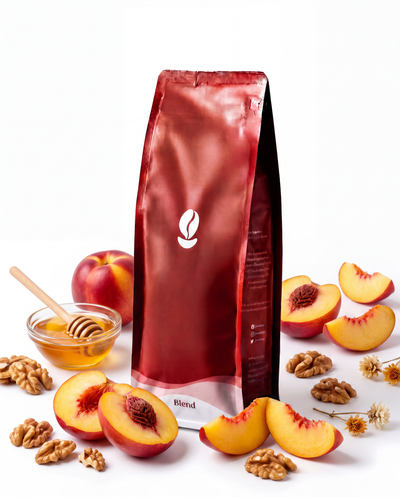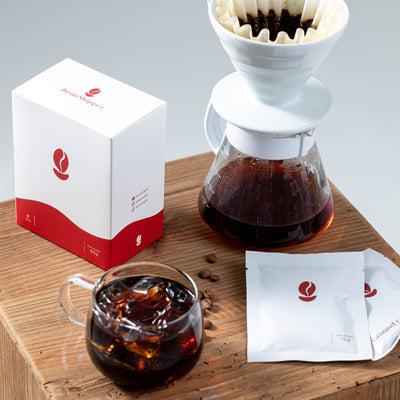

Expressive Light Roast · Bolivia
Bolivia 4 Llamas Natural
How Bolivia 4 Llamas Natural tastes.
Lactic natural, from the Bolivian Andes.
Founded by Bolivian changemakers Andres and Marita, 4 Llamas is a mission-driven project rooted in sustainability, innovation, and community. Their coffee is grown in the highlands of Caranavi using agroforestry and layered permaculture systems that protect the surrounding ecology while building polycultural resilience across the farms. What sets this lot apart is the processing. Alongside classic washed and natural lots, the 4 Llamas team pushes into experimental fermentation, working with native microbial communities under closely monitored conditions. Temperature, Brix, and pH are tracked at every step, including a vacuum-pressure natural process inspired by sous-vide. The result is a natural-processed coffee with uncommon clarity: ripe mango and lime lifted by a confectionery sweetness that carries from first sip to finish.
Make the most of it.
Onyx Coffee Lab roast this lot on the date shown on the size chip, and that date is your cut-off to be on the batch. The beans reach us about a week later and your bag ships that same week, so it lands with you around the two-to-three-week mark, when these beans drink best. Grind just before you brew.
Roasted by Onyx Coffee Lab.
Bolivia 4 Llamas Natural is roasted by Onyx Coffee Lab and imported by Bean Shipper. We bring in guest roasters when a lot reaches cup quality we can't source any other way. Order by the date on the size chip to be on the batch; the beans reach us about a week later and your bag ships that same week, inside the window this coffee drinks best in.
Bring Bolivia 4 Llamas Natural home.
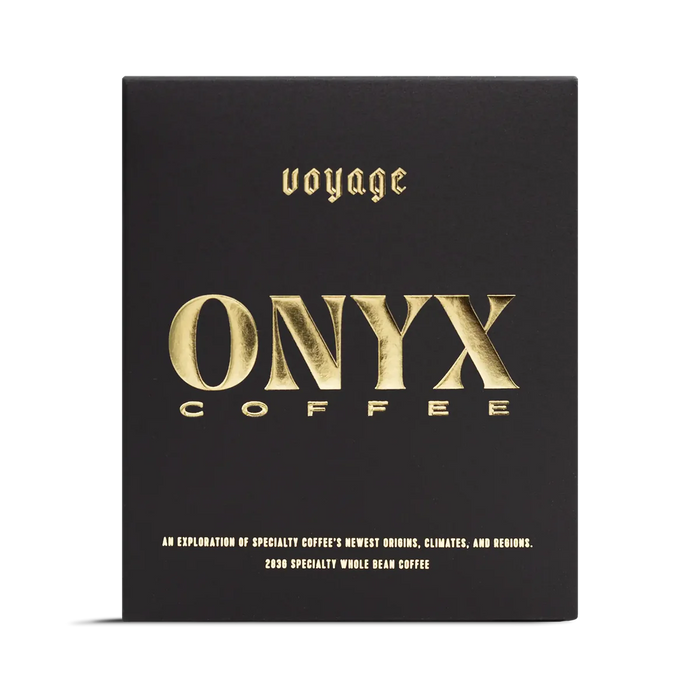
Bolivia 4 Llamas Natural is out of stock. It'll be back when the next lot lands from Onyx Coffee Lab.
Browse what is in stock
This lot won't repeat. Great coffee can.
Guest lots come and go — the subscription keeps freshly roasted coffee coming, with free shipping on every Malaysian delivery. Skip, swap or cancel whenever.
Start your subscriptionGood questions.
Everything drinkers ask before their first bag. Still curious? Read the full FAQ →
How fresh is the coffee when it arrives?+
The date beside the size is when Onyx Coffee Lab roast this lot, and it is your cut-off to join that batch. The beans reach us about a week after that, and your bag ships in the week that follows the roast date, which puts it with you around the two-to-three-week mark, when these beans drink best. Once it ships from us, domestic orders usually arrive within 1 to 3 business days.
When is the coffee at its best?+
Beans need about 5 to 7 days to degas, then hold their peak from 7 to 30 days after the roast date printed on the bag. Keep the bag sealed, somewhere dark and room-temperature — never in the fridge.
How does the subscription work?+
Pick your coffee, size and rhythm. Shipping is free on every Malaysian delivery, and you can skip, swap or cancel anytime. FIRSTTASTE takes 15% off your first three shipments.
What if I don't like it?+
Tell us and we'll replace it free, no questions asked. We would rather you found your coffee than kept one you don't love.
Where do you ship?+
Free shipping from RM80 in Peninsular Malaysia and RM150 in East Malaysia. We also ship to Singapore (free from RM200), Indonesia, Thailand, Vietnam, the Philippines, Hong Kong, Australia, the UK and most of Europe — rates calculated at checkout.